Bringing a pet into a home transforms both the space and the lifestyle of everyone living in it. A pet is not simply an addition to the household; it becomes a member of the family whose physical, emotional, and social needs shape how the home is arranged and maintained. The modern understanding of pet care goes far beyond food and veterinary visits. Today, experts emphasize the importance of the home environment itself—its structure, atmosphere, and routines—in determining the health and happiness of companion animals.
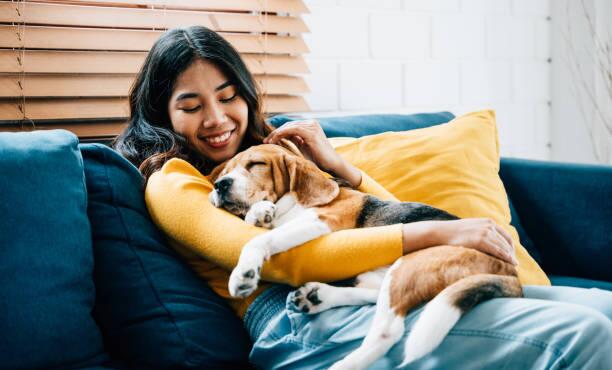
This long-form article explores the deep relationship between pets and the spaces they inhabit, highlighting how thoughtful home design can improve their well-being and create a healthier, more harmonious living environment for both animals and humans.
The Home as a Shared Ecosystem
When a pet enters a home, it becomes part of a shared ecosystem where each species influences the other. Dogs, cats, rabbits, birds, and other small animals respond to environmental cues within the house: sounds, textures, temperature, light, and layout.
A well-adapted home ecosystem acknowledges:
-
species-specific natural instincts,
-
behavioral preferences,
-
territorial needs,
-
activity levels,
-
social habits,
-
emotional triggers.
Ignoring these factors can lead to anxiety, destructive behavior, or even health issues for pets. Conversely, when a home respects the nature of the animal, pets thrive—and so do the people living with them.
Spatial Design and Animal Behavior
Pets navigate homes differently than humans. Their view of space is shaped by height, scent, acoustics, and instinct.
For dogs:
They require movement pathways, predictable zones, and resting spots away from noise. Many dogs rely on a balance of stimulation and calmness—meaning both open space for play and quiet areas for retreat.
For cats:
Vertical space is often more important than horizontal space. Cats benefit from accessible shelves, window perches, and safe climbing routes. They also need multiple hiding spots to feel secure.
For small mammals:
Rabbits, guinea pigs, and other small pets need protective enclosed areas, yet enough freedom to explore without stress. Their environment must avoid sudden noise or drafts.
For birds:
Light exposure, airflow, and visual height directly influence mood and health. A home that is too dark, stagnant, or chaotic can disrupt their natural rhythms.
Spatial design is not about luxury—it is about supporting instinctive behaviors to prevent frustration and anxiety.
The Importance of Environmental Enrichment
Just like humans, pets need stimulation to remain healthy and emotionally balanced. A lack of enrichment often results in boredom, compulsive behavior, or aggression.
Key forms of enrichment include:
-
sensory enrichment: new textures, scents, sounds, or visual stimuli,
-
physical enrichment: tunnels, climbing structures, open space,
-
mental enrichment: puzzle-solving, exploration, environmental novelty,
-
social enrichment: interaction with humans or other pets.
A home environment that constantly adapts to a pet’s needs helps maintain cognitive sharpness and emotional well-being.
Home Routines and Emotional Stability for Pets
Pets thrive on consistent routines. Household rhythms—wake-up times, meal schedules, cleaning practices, play sessions—create a stable emotional foundation.
A disrupted routine can cause:
-
restlessness,
-
separation anxiety,
-
excessive vocalization,
-
loss of appetite,
-
destructive behaviors.
Establishing predictable patterns helps pets understand the flow of the day and feel secure even when the environment changes.
Safety Considerations: Hidden Risks in Everyday Homes
Pets are curious and vulnerable to many home hazards that humans barely notice.
Common risks include:
-
exposed wires and cables,
-
unstable furniture,
-
open windows without protective screens,
-
toxic plants,
-
loose small objects,
-
unsecured food waste,
-
unsafe cleaning supplies,
-
easily accessible high surfaces (for cats),
-
temperature extremes in certain rooms.
A pet-safe home is created through awareness and prevention rather than reaction.
Sound and Light: Sensory Factors That Matter More Than We Think
Pets perceive the home environment differently:
Sound sensitivity
Dogs often hear frequencies humans cannot. Cats react strongly to sudden noises. Birds are highly sensitive to loud environments.
This means:
-
loud televisions,
-
constant construction noise,
-
household appliances,
-
echoes in empty rooms
can create chronic stress in pets.
Lighting
Harsh artificial lighting, inconsistent daylight, or lack of natural sun can disturb sleeping patterns and mood.
A balanced sensory environment supports calmness, rest, and healthy behavior.
Creating Zones: Territory Matters
Even social animals need personal space.
A balanced home for pets includes:
-
rest zones, free from foot traffic,
-
feeding zones, away from noise or movement,
-
play zones, where mess and excitement are acceptable,
-
observation zones, allowing pets to watch activity from a safe distance,
-
outdoor zones, if available, secured and comfortable.
Zoning reduces stress, prevents conflicts between pets, and teaches clear behavioral boundaries.
Human–Animal Interaction: How the Home Shapes Relationships
The way a home is organized affects how humans and pets bond.
For example:
-
A home with open, accessible living areas promotes frequent interaction.
-
A home with dedicated pet spaces increases feelings of safety and trust.
-
A chaotic home environment may lead to overstimulation or avoidance behavior.
-
A calm, structured home helps pets become more affectionate and confident.
A harmonious home encourages healthy attachment for both sides.
Adapting Homes to Life Stages of Pets
Pet needs change over time.
Kittens and puppies:
Require boundaries, safe exploration areas, and patient supervision.
Adult pets:
Need routine, stimulation, and stable zones that match their energy levels.
Senior pets:
Require softer surfaces, easier access points, warmer temperatures, and reduced jumping or climbing.
A home that evolves with the animal supports long-term health and comfort.
Conclusion: A Home That Understands Pets Creates a Better Life for Everyone
Creating a pet-friendly home is not about décor or accessories—it is about empathy, observation, and thoughtful design. When a home supports the natural instincts and emotional needs of its pets, it becomes a healthier, calmer, and more joyful place for both animals and humans.
A well-adapted home strengthens bonds, reduces stress, and ensures that pets not only live with us, but truly thrive with us.