Home
Home & Climate Comfort: How Indoor Climate Shapes Health, Productivity, and Daily Well-Being

Climate comfort inside the home—often referred to as thermal comfort—plays a crucial yet frequently underestimated role in shaping daily life. While people tend to focus on design, furniture, or cleaning when considering what makes a home comfortable, the invisible climate factors—temperature, humidity, air circulation, sunlight, and seasonal shifts—often have the greatest long-term impact on health and well-being. A well-balanced indoor climate supports cognitive performance, sleep quality, immune function, emotional stability, and productivity. Conversely, uncomfortable indoor conditions can cause fatigue, irritability, poor sleep, and even health complications over time. This article explores the science behind home climate comfort and how thoughtful climate management can transform the living environment into a healthier, more balanced space.
Home and Privacy: Understanding How Modern Households Protect Personal Space, Autonomy, and Emotional Security

Privacy has become one of the most valuable forms of comfort in the modern world. As digital life expands, urban spaces grow denser, and households evolve into multifunctional environments, the boundaries that protect personal autonomy increasingly depend on how privacy is managed at home. A home is not simply a physical enclosure—it is the primary environment where individuals control their exposure, regulate their interactions, and preserve their identity. When privacy is respected, the home becomes a refuge of psychological safety. When privacy is compromised, even a beautiful or well-organized home can feel stressful, invasive, or emotionally draining. This article explores the different dimensions of privacy at home—physical, acoustic, digital, and psychological—and discusses how they shape well-being, relationships, and everyday life.
Navigating the Moving Transition: How Home Changes Shape Identity, Stability, and Well-Being

Moving from one home to another is often described as a logistical challenge—packing boxes, transporting belongings, updating addresses. But beneath the surface, the moving transition is one of the most complex life events an individual or family can experience. It affects emotional stability, identity, routines, relationships, and the sense of personal grounding that a home normally provides. Whether the move is voluntary or necessary, exciting or stressful, the transition between homes shapes how people perceive themselves and their future. Understanding the psychology and structure of this process can make relocation smoother and more meaningful. This article explores the science, emotional dynamics, and environmental factors behind moving, offering a deeper perspective on how homes influence life transitions.
The Science of Cleaning at Home: How Hygiene, Microbiology, and Daily Habits Shape a Healthy Living Environment

Cleaning is often viewed as a simple household chore—dusting, wiping surfaces, washing floors, and doing laundry. But behind these everyday tasks lies a complex scientific foundation. Microbiology, environmental health, indoor air science, and behavioral psychology all influence how effective cleaning truly is. Understanding the science of cleaning can dramatically improve the quality of life at home. It helps households remove harmful pathogens, reduce allergens, create healthier indoor air, and maintain long-term comfort with less effort. In an era where homes serve as living spaces, workplaces, and wellness environments, cleaning science has never mattered more. This article explores the principles behind effective home hygiene, breaking down how cleaning works, why certain methods matter, and how small improvements in routine can transform the health of a household.
Noise Control at Home: How Sound Management Shapes Comfort, Health, and Daily Well-Being
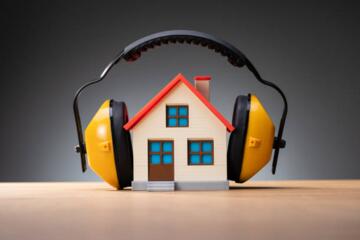
Noise has become one of the most pervasive challenges of modern living. Whether it comes from neighboring apartments, busy streets, household appliances, pets, or daily activities inside the home, unwanted sound affects far more than comfort alone. It influences sleep quality, cognitive performance, emotional balance, and even long-term physical health. As homes increasingly function as workplaces, study environments, rest areas, and social spaces, controlling noise has become essential rather than optional. Effective noise management does not require extensive renovation—it begins with understanding how sound behaves and how everyday choices shape the acoustic environment. This article explores the principles of home noise control, the science behind sound behavior, and practical strategies for creating quieter, healthier living spaces.
Creating a Pet-Friendly Home: How Thoughtful Environments Improve the Well-Being of Animals and Their Owners

Bringing a pet into a home transforms both the space and the lifestyle of everyone living in it. A pet is not simply an addition to the household; it becomes a member of the family whose physical, emotional, and social needs shape how the home is arranged and maintained. The modern understanding of pet care goes far beyond food and veterinary visits. Today, experts emphasize the importance of the home environment itself—its structure, atmosphere, and routines—in determining the health and happiness of companion animals. This long-form article explores the deep relationship between pets and the spaces they inhabit, highlighting how thoughtful home design can improve their well-being and create a healthier, more harmonious living environment for both animals and humans.
Creating a Culture of Safety at Home: Why Modern Households Need Proactive Habits More Than Ever

Safety at home is often assumed to be automatic—something that exists by default as long as there are no immediate dangers. In reality, home safety is not a passive condition but a culture: a set of habits, awareness practices, and behavioral patterns that protect individuals and families from preventable risks. As households become more complex—integrating technology, multifunctional spaces, and diverse lifestyles—the need for intentional safety practices grows. Whether a person lives alone, with roommates, or as part of a family, the home environment plays a defining role in long-term well-being. This article explores what it means to build a safety-focused home culture, why it matters, and how practical habits can reduce everyday risks.
Building Healthy Home Routines: How Daily Structure Shapes Harmony, Productivity, and Family Well-Being

A home is more than a physical place—it is a living environment that shapes behavior, influences mood, and defines the rhythm of everyday life. Whether one lives alone, with a partner, or as part of a larger family, daily routines play a critical role in how the home feels and functions. When routines are harmonious, the entire household benefits: stress decreases, communication improves, and productivity rises. When routines break down, even the most beautifully decorated home can feel chaotic and emotionally draining. This article explores how structured daily habits inside the home contribute to stability and well-being, offering practical approaches to help individuals and families build healthier rhythms without relying on any specific products.
Creating the Perfect Apartment Living Experience: Practical Principles for a Better Home

Apartment living has become a defining lifestyle choice for millions of people around the world. Rising urban density, flexible work models, and the growing appeal of compact, efficient spaces have transformed the modern apartment into much more than a temporary residence. Today, a well-designed apartment can serve as a stable foundation for comfort, productivity, and emotional balance—especially for those who rent rather than own. This article explores how to make apartment living more efficient, enjoyable, and aligned with long-term well-being. Without promoting any specific products, we focus on essential principles, habits, and thoughtful approaches that help transform any rental unit or small home into a meaningful, functional, and inspiring space.
The Modern Meaning of Home: How Thoughtful Spaces Shape Our Well-Being

In recent years, the word home has grown to mean far more than a physical shelter. For many people, it has become a personal sanctuary, an anchor of stability, and a space that mirrors who they are and who they want to become. As the world becomes more dynamic and unpredictable, the role of the home evolves from a simple living environment into a meaningful ecosystem that nurtures comfort, productivity, and emotional balance. This article explores how intentional design, smart organization, and mindful atmosphere can transform any home into a supportive environment that enhances overall well-being. Without focusing on any specific product, we examine the deeper principles that make a home functional, calming, and truly personal.