Apartment living has become a defining lifestyle choice for millions of people around the world. Rising urban density, flexible work models, and the growing appeal of compact, efficient spaces have transformed the modern apartment into much more than a temporary residence. Today, a well-designed apartment can serve as a stable foundation for comfort, productivity, and emotional balance—especially for those who rent rather than own.
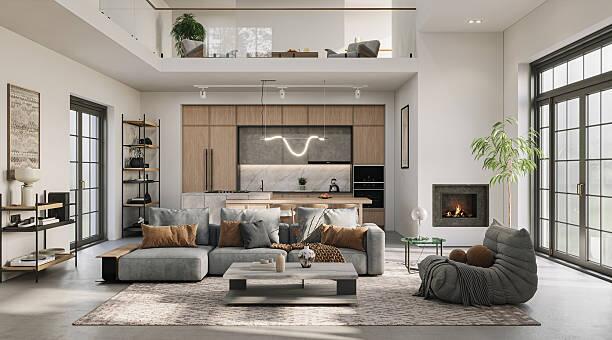
This article explores how to make apartment living more efficient, enjoyable, and aligned with long-term well-being. Without promoting any specific products, we focus on essential principles, habits, and thoughtful approaches that help transform any rental unit or small home into a meaningful, functional, and inspiring space.
The Apartment as a Personal Ecosystem
A modern apartment is often a multifunctional environment: a workplace, a relaxation zone, a social hub, and a place of emotional recovery. Because many people spend most of their time at home—especially those in compact urban apartments—every square meter matters.
The key to thriving in an apartment setting lies in treating the home as an ecosystem with interconnected parts. Each area should serve a purpose and support daily routines without overwhelming the space. When furniture placement, lighting, and organization work together, the apartment becomes more than a living area—it becomes a supportive environment that reduces stress and enhances quality of life.
Designing for Limited Space: Efficiency as a Lifestyle
One of the biggest challenges of apartment living is limited space. However, constraints often inspire creativity. Compact homes benefit greatly from design choices that maximize both function and comfort.
Here are some essential principles:
-
Vertical thinking: When floor space is limited, walls become valuable. Shelving, tall storage units, and wall-mounted systems free up room and keep everyday items accessible without cluttering surfaces.
-
Multifunctional zones: A corner can act as a workspace during the day and a reading nook in the evening. A dining table can double as a desk. Versatile areas make the apartment feel larger and more dynamic.
-
Light and color: Light, neutral colors expand visual space, while strategic lighting adds depth and enhances atmosphere. Natural light should always be maximized when possible.
-
Clear pathways: Movement through the apartment should feel intuitive. Avoid overcrowding rooms with furniture, and maintain logical flow from one area to another.
Efficiency in small homes is not about minimalism alone—it is about creating harmony between form and function.
Creating Emotional Comfort in Rental Spaces
Renters often hesitate to personalize their apartments, fearing property restrictions or temporary tenancy. Yet emotional comfort is deeply linked to the sense of ownership one feels over a space—even if the home is rented.
There are many ways to personalize without violating lease terms:
-
Removable décor: Adhesive hooks, temporary wallpaper, and modular shelves provide personalization without permanent changes.
-
Textiles and textures: Curtains, rugs, throws, and cushions soften the atmosphere and add warmth.
-
Plants: Even a single plant brings life and emotional grounding into a room.
-
Meaningful details: Artwork, books, and sentimental items create familiarity and emotional resonance.
Personalization enhances the psychological connection between the resident and the apartment, turning a short-term rental into a meaningful home.
The Importance of Smart Storage
Clutter is one of the most common problems in apartments. Limited space makes organization essential, not optional. A well-structured storage system can completely transform the living experience.
Key principles include:
-
Categorization: Group items by purpose and frequency of use. Everyday items should always be easily accessible.
-
Hidden storage: Under-bed drawers, closet organizers, storage ottomans, and unseen compartments help maintain a clean look without sacrificing functionality.
-
Regular decluttering: Apartment residents benefit from small but consistent decluttering habits. Even a weekly 10-minute session keeps a home feeling fresh and manageable.
A clean, structured apartment significantly increases mental clarity and reduces daily frustration.
Creating a Productive Home Environment
As remote work becomes increasingly common, apartment residents face the challenge of creating workspace within limited square footage. Productivity depends more on atmosphere and intentional layout than on the size of the workspace.
A productive apartment setup includes:
-
Defined work zones: Even a small dedicated corner signals the brain that the area is for focus, reducing distractions.
-
Lighting quality: Natural light boosts energy and reduces eye strain; if unavailable, warm or neutral lighting creates a comfortable working environment.
-
Acoustic control: Simple solutions—like curtains, carpets, or room dividers—help reduce noise and create separation.
-
Routine-based triggers: Opening a laptop at the same spot, making morning tea before work, or lighting a candle before deep focus sessions can serve as psychological anchors.
Productivity thrives in environments that feel intentional, stable, and structured.
The Role of Atmosphere in Apartment Living
Atmosphere determines how comfortable, energized, or relaxed a resident feels inside their home. Because apartments often have limited square footage, atmosphere becomes even more important.
Key elements include:
-
Lighting layers: Combining ceiling lighting, floor lamps, and accent lights creates depth and flexibility.
-
Air quality: Fresh air, ventilation, and occasional natural scents improve mood and cognitive clarity.
-
Sound balance: Soft background sound or intentional silence can significantly impact emotional state.
-
Visual calmness: Too many competing colors or objects create tension, while visual consistency promotes inner balance.
Atmosphere transforms a neutral rental into a uniquely personal sanctuary.
Financial and Practical Considerations for Renters
Choosing the right apartment—or improving the one you already have—goes beyond interior design. Practical, long-term-minded decisions help residents feel secure and prepared.
Important considerations include:
-
Location vs. space: Proximity to essential services, transport, and work can be more valuable than additional square footage.
-
Lease flexibility: Short-term vs. long-term rental conditions shape both lifestyle and financial stability.
-
Maintenance habits: Regular upkeep prevents costly issues and improves long-term comfort.
-
Energy efficiency: Simple habits—such as optimizing heating, improving insulation, or using natural light—reduce expenses and enhance comfort.
Smart decision-making allows renters to create stability even without owning property.
Building Emotional Well-Being in Apartments
A well-designed apartment supports emotional health by offering spaces for rest, recovery, and self-expression. Establishing simple rituals—morning routines, relaxation habits, or creative activities—helps anchor emotional stability in daily life.
Residents benefit from:
-
evening wind-down corners,
-
quiet morning routines,
-
dedicated relaxation spaces,
-
intentional sensory experiences,
-
regular exposure to natural light,
-
meaningful personal décor.
When an apartment supports emotional recovery, it becomes a powerful tool for resilience in a fast-paced world.
Conclusion: Transforming Apartments Into Meaningful Homes
Apartment living does not need to feel temporary or constrained. With intentional choices and thoughtful organization, any rental unit—no matter its size—can become a supportive, inspiring, and balanced home. By focusing on atmosphere, layout, personalization, and emotional comfort, residents can create living spaces that nurture well-being and match their lifestyle needs.
In the end, an apartment becomes more than a place to stay. It becomes a personal foundation, a source of comfort, and a meaningful extension of the resident’s identity.