Cleaning is often viewed as a simple household chore—dusting, wiping surfaces, washing floors, and doing laundry. But behind these everyday tasks lies a complex scientific foundation. Microbiology, environmental health, indoor air science, and behavioral psychology all influence how effective cleaning truly is.
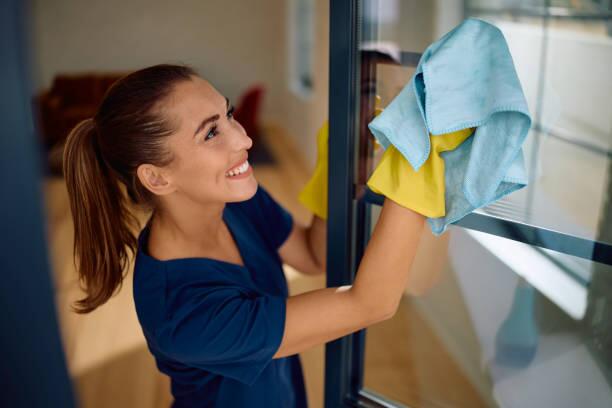
Understanding the science of cleaning can dramatically improve the quality of life at home. It helps households remove harmful pathogens, reduce allergens, create healthier indoor air, and maintain long-term comfort with less effort. In an era where homes serve as living spaces, workplaces, and wellness environments, cleaning science has never mattered more.
This article explores the principles behind effective home hygiene, breaking down how cleaning works, why certain methods matter, and how small improvements in routine can transform the health of a household.
Why Cleaning Is a Science, Not Just a Habit
Most people clean reactively—when dirt appears, when guests arrive, or when discomfort sets in. Scientific cleaning is different; it focuses on prevention, understanding materials, and targeting microbial risks.
Cleaning science addresses questions such as:
-
Where do microorganisms accumulate most rapidly?
-
How do surfaces interact with moisture and dirt?
-
Which areas require daily vs. weekly attention?
-
How does air quality relate to dust levels?
-
What behaviors increase the spread of contaminants?
The goal is not obsessive cleanliness but a healthy, balanced environment that supports well-being.
The Microbiology of the Modern Home
Every home hosts millions of microorganisms—most harmless, some beneficial, and a small number potentially harmful. Cleaning science aims to manage microbial levels, not eliminate them entirely.
Common microbial hotspots include:
-
kitchen countertops,
-
sink areas and sponges,
-
bathroom moisture zones,
-
door handles and switches,
-
remote controls and high-touch electronics,
-
pet feeding zones,
-
fabric surfaces that trap moisture.
Hotspots develop due to a combination of moisture, organic matter, and frequent human contact.
Microbial facts that matter:
-
Moisture accelerates bacterial growth drastically.
-
Textured surfaces harbor more microorganisms than smooth surfaces.
-
Heat and humidity promote mold spores.
-
Kitchens typically contain more germs than bathrooms due to food residue.
Understanding these dynamics allows households to clean more intelligently and efficiently.
The Difference Between Cleaning, Sanitizing, and Disinfecting
These terms are often used interchangeably, but they refer to different processes.
Cleaning
Removes dirt, dust, and visible debris.
It reduces some microbes but does not necessarily kill them.
Sanitizing
Reduces microbial levels to safer standards.
It targets bacteria more than viruses and fungi.
Disinfecting
Kills a broader spectrum of microorganisms, including viruses.
Best used in high-risk zones like bathrooms or food-preparation surfaces.
Effective home hygiene often requires a combination of all three, depending on the location and use of the space.
Dust: The Invisible Contaminant in Every Home
Dust is more than a nuisance—it's a complex mixture of:
-
dead skin cells,
-
textile fibers,
-
pollen,
-
pet dander,
-
insect fragments,
-
soil particles,
-
microplastics,
-
chemical residues.
Scientific studies show that dust affects indoor air quality, especially in homes with carpets, upholstered furniture, or pets.
Why dust matters:
-
It triggers allergic reactions.
-
It carries pollutants from outside.
-
It collects harmful microbes in humid environments.
-
It contributes to respiratory irritation.
The science of dust management emphasizes regular airflow, filtration, and surface cleaning.
Air Quality and Cleaning: The Overlooked Connection
Home cleaning science extends into indoor air quality. Cleaning practices directly influence how clean or polluted the air becomes.
Airborne pollutants rise when:
-
dusting is done too aggressively,
-
floors are swept instead of vacuumed,
-
dirty ventilation filters stay unchanged,
-
textiles accumulate particles.
Healthy air practices include:
-
controlled dust removal,
-
frequent ventilation,
-
regular filter maintenance,
-
reducing fabric clutter in high-dust rooms.
Clean air supports cognitive performance, sleep quality, immunity, and mood.
The Science of Surface Materials
Different surfaces require different cleaning methods because materials interact differently with dust, moisture, and bacteria.
Porous surfaces (wood, textiles):
-
absorb moisture and odors,
-
trap microbes deeper,
-
require gentle but frequent cleaning.
Non-porous surfaces (metal, glass):
-
easier to sanitize,
-
less prone to microbial growth.
Stone surfaces:
-
react to acids and harsh chemicals,
-
require pH-balanced cleaning.
Understanding material behavior prevents damage and improves hygiene.
Behavioral Science: How Habits Shape Home Cleanliness
Cleaning effectiveness depends heavily on household behavior.
Habits that reduce contamination include:
-
washing hands after returning home,
-
placing shoes at entry points,
-
wiping high-touch surfaces consistently,
-
ventilating after cooking or showering,
-
avoiding eating in multiple locations.
Habits that increase contamination:
-
letting moisture remain on surfaces,
-
using the same cloth for multiple tasks,
-
postponing small cleaning jobs,
-
letting clutter accumulate,
-
ignoring micro-spills or food debris.
Behavioral patterns create microbial patterns.
Moisture Control: A Cornerstone of Cleaning Science
Moisture drives the majority of microbial issues in homes.
Excess humidity leads to mold, mildew, and bacteria.
Key moisture-control practices:
-
drying bathroom surfaces,
-
avoiding wet towels left in piles,
-
fixing leaks promptly,
-
using airflow in kitchens and baths,
-
keeping textiles dry.
Managing moisture is more effective than frequent disinfecting when it comes to mold prevention.
Cleaning Frequency: Why Timing Matters More Than Intensity
Scientific cleaning relies on rhythm rather than deep-cleaning marathons.
Daily tasks:
-
kitchen surfaces,
-
dishwashing,
-
quick bathroom checks,
-
high-touch surfaces.
Weekly tasks:
-
floors,
-
bathroom sanitizing,
-
bedding change,
-
dusting.
Monthly tasks:
-
vents,
-
behind appliances,
-
deep textile cleaning.
Seasonal tasks:
-
window washing,
-
HVAC checks,
-
large decluttering.
Consistency keeps microbial levels stable and prevents buildup.
Conclusion: Cleaning Science Creates Healthier, Smarter Homes
Cleaning is not simply about appearance—it is a scientific practice that influences the physical and emotional well-being of everyone living in the home. By understanding microbiology, air quality, surface behavior, and human habits, households can clean more effectively with less effort and better results.
A scientifically informed home becomes healthier, calmer, and more resilient—allowing every resident to thrive.