Noise has become one of the most pervasive challenges of modern living. Whether it comes from neighboring apartments, busy streets, household appliances, pets, or daily activities inside the home, unwanted sound affects far more than comfort alone. It influences sleep quality, cognitive performance, emotional balance, and even long-term physical health.
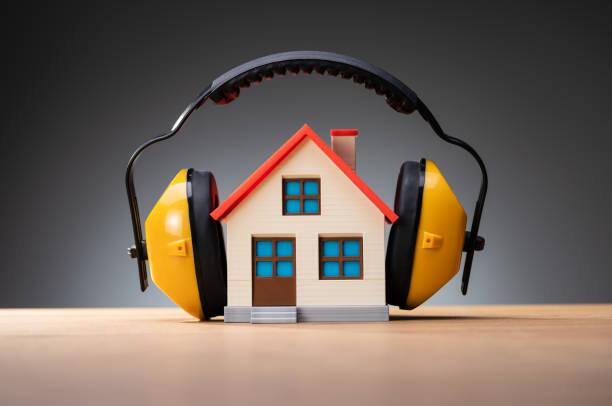
As homes increasingly function as workplaces, study environments, rest areas, and social spaces, controlling noise has become essential rather than optional. Effective noise management does not require extensive renovation—it begins with understanding how sound behaves and how everyday choices shape the acoustic environment.
This article explores the principles of home noise control, the science behind sound behavior, and practical strategies for creating quieter, healthier living spaces.
Why Noise Control Matters More Than Ever
The home is expected to fulfill multiple roles today: a calm retreat, a productive workspace, a place for family life, and an environment for rest and recovery. Noise disrupts all these functions.
Excessive or unpredictable noise can lead to:
-
increased cortisol levels,
-
difficulty concentrating,
-
sleep disturbances,
-
irritability and emotional fatigue,
-
decreased productivity,
-
reduced sense of safety and well-being.
Even moderate noise—such as footsteps above, outdoor traffic, or a neighbor’s television—can accumulate over time and create chronic stress. Managing sound at home is therefore a fundamental component of health-focused living.
Understanding the Three Principles of Home Sound Management
Effective noise control is based on three core principles:
absorption, blocking, and behavioral control.
Each relates to different aspects of how sound moves through space.
1. Sound Absorption
Absorption reduces echo and prevents sound from bouncing around the room.
Soft, uneven, or porous surfaces absorb sound waves, while hard surfaces reflect them.
Key examples of absorption sources include:
-
thick textiles,
-
upholstered surfaces,
-
books and uneven surfaces,
-
curtains,
-
rugs and soft flooring.
Rooms with many reflective surfaces feel louder because sound continues to travel, increasing stress and reducing clarity.
2. Sound Blocking
Blocking stops sound from entering or leaving a room.
It requires barriers that resist vibration and prevent sound waves from passing through.
Examples include:
-
dense walls,
-
sealed openings,
-
closed doors,
-
tight window frames.
While full-scale construction isn’t always possible, even small improvements in sealing gaps and strengthening weak points can dramatically reduce noise levels.
3. Behavioral Noise Control
This involves adapting daily habits to lower unnecessary noise.
Examples include:
-
reducing nighttime appliance use,
-
coordinating household routines,
-
placing loud activities in rooms farther from bedrooms,
-
avoiding heavy footsteps in multi-story homes,
-
teaching children and pets calmer indoor behavior.
Behavior-based noise control is often the easiest and most immediate solution.
Identifying Noise Sources in the Home
Before implementing solutions, it helps to identify where noise originates. Home noise sources typically fall into three categories:
Internal Structural Noise
Sound traveling through walls, floors, ceilings, and pipes.
Common examples:
-
footsteps from above,
-
plumbing sounds,
-
vibrations from appliances,
-
heating or ventilation noise.
Internal Activity Noise
Sound generated by people or pets within the home.
Examples:
-
voices,
-
home office activity,
-
cleaning equipment,
-
entertainment systems.
External Environmental Noise
Sound entering from outside.
Examples:
-
traffic,
-
neighbors,
-
construction,
-
outdoor gatherings,
-
wind or environmental noise.
Different types of noise require different strategies to manage them effectively.
Quiet Zones: Structuring the Home Around Sound
One effective noise-control strategy is organizing the home into zones based on sound activity.
High-activity zones:
kitchen, living room, laundry area.
Quiet zones:
bedrooms, study areas, reading corners, meditation spaces.
Transition zones:
hallways, entryways, storage areas.
Separating high-activity areas from quiet zones reduces sound conflict and allows everyone in the home to coexist comfortably. Even in small apartments, intentional zoning—such as positioning the workspace away from the main hallway—can significantly improve acoustic clarity.
Sound Behavior in Small vs. Large Homes
Noise behaves differently depending on the size and structure of the home.
In small apartments:
-
sound reflects quickly,
-
neighboring noise is more noticeable,
-
zoning becomes critical,
-
echo increases due to limited surfaces.
In large homes:
-
noise travels farther,
-
high ceilings amplify echo,
-
open-plan layouts create sound continuity,
-
more surfaces require attention.
Understanding these differences helps tailor noise control to the environment.
The Role of Furniture Placement in Noise Reduction
Strategically placing furniture can reduce sound transfer.
Examples include:
-
placing bookshelves against shared walls,
-
positioning sofas and beds away from noise sources,
-
using tall, filled storage units as sound barriers,
-
placing soft elements near reflective surfaces.
Furniture can act as both an absorber and a blocker, depending on material and density.
Controlling Noise from Appliances and Technology
Modern homes include many devices that generate constant or intermittent noise.
Steps to reduce their impact include:
-
scheduling loud appliances (like washers) during appropriate hours,
-
maintaining mechanical devices to prevent rattling,
-
positioning entertainment systems away from shared walls,
-
reducing unnecessary device alerts,
-
using vibration-dampening pads under machinery.
Quiet appliances begin as a choice—but long-term noise reduction depends on household habits.
Nighttime Noise Control: Supporting Rest and Recovery
Nighttime is when noise becomes most intrusive. Even minor sounds can disrupt deep sleep.
Effective nighttime strategies include:
-
establishing household quiet hours,
-
limiting late-night activity in shared spaces,
-
closing doors between zones,
-
managing pet nighttime movement,
-
reducing electronic notifications.
A quiet night environment improves mood, energy levels, and cognitive function for the entire household.
The Psychological Side of Home Noise Control
Noise control is not only physical—it has emotional and cognitive components.
A quieter home environment supports:
-
lower stress levels,
-
improved focus,
-
enhanced social interactions,
-
better emotional regulation,
-
healthier sleep cycles,
-
higher overall satisfaction.
Sound is one of the most underestimated environmental influences on mental well-being.
Conclusion: Noise Control Transforms the Home Into a Space of Balance
Effective noise control is not about eliminating every sound. It is about managing sound intentionally so the home supports rest, productivity, and emotional comfort. When households understand how sound behaves and adopt thoughtful acoustic practices, the home becomes a calmer, healthier, and more harmonious environment.
A quieter home is a stronger home—one that protects well-being and enhances the quality of everyday life.