In recent years, the word home has grown to mean far more than a physical shelter. For many people, it has become a personal sanctuary, an anchor of stability, and a space that mirrors who they are and who they want to become. As the world becomes more dynamic and unpredictable, the role of the home evolves from a simple living environment into a meaningful ecosystem that nurtures comfort, productivity, and emotional balance.
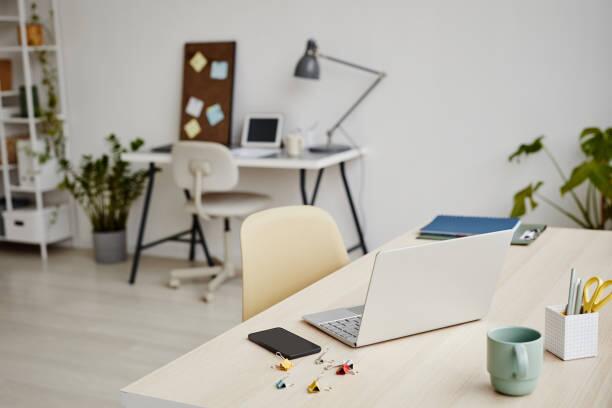
This article explores how intentional design, smart organization, and mindful atmosphere can transform any home into a supportive environment that enhances overall well-being. Without focusing on any specific product, we examine the deeper principles that make a home functional, calming, and truly personal.
The Home as a Foundation of Daily Stability
A home influences every aspect of life: energy levels, mood, cognitive clarity, and even relationships. While many people think of aesthetics first, the true strength of a well-organized home lies in how it supports daily routines. A thoughtfully arranged space reduces stress, saves time, and encourages healthier habits.
When areas of the home—such as the entryway, kitchen, or bedroom—are structured intentionally, they create predictable patterns that help the mind focus. A consistent environment reduces decision fatigue, a phenomenon where constant micro-decisions drain mental energy. Something as simple as always knowing where items belong or having well-defined zones for work, rest, and recreation can dramatically improve overall well-being.
Creating Emotional Comfort Through Design
Comfort is more than physical softness; it is an emotional state. Research consistently shows that sensory factors—including light, smell, texture, and temperature—shape the emotional tone of an environment. A home that supports emotional comfort often includes:
-
calming lighting that reduces the intensity of harsh shadows,
-
natural elements that evoke a sense of grounding,
-
balanced color palettes that influence energy levels,
-
functional furniture placement that promotes flow and relaxation.
The goal is not to follow trends but to curate a personal atmosphere that speaks to the resident’s sense of safety and warmth. Even small adjustments, like adding natural textures or maximizing daylight, can transform the emotional climate of a room.
The Psychology of Space: Why Layout Matters
Psychologists emphasize that the spatial layout of a home significantly affects behavior and mental clarity. Cluttered or poorly structured rooms often increase stress levels, while open, intentional layouts promote clarity and calmness. A well-designed home feels intuitive: movement from room to room should be seamless, and every area should serve a clear purpose.
For example, a designated work corner improves focus by signaling the brain that the space is intended for concentration. Conversely, having a defined rest zone helps the mind disconnect from responsibilities. This separation becomes especially important for individuals who work remotely or have intense daily routines.
The interplay between space and psychology shows that the way a home is arranged can directly influence productivity, emotional resilience, and overall happiness.
The Influence of Home Atmosphere on Productivity
A home that supports productivity is not necessarily one filled with technology—it is one that respects the user’s rhythm. Productive environments share several core qualities:
-
visual clarity, minimizing distractions,
-
good lighting, especially natural light,
-
comfortable seating, promoting healthy posture,
-
organized storage, reducing the need to multitask,
-
acoustic balance, ensuring a quiet or appropriately lively atmosphere.
Many people underestimate how much their home environment affects their ability to focus. A workspace that is too cramped, too dark, or too noisy can reduce efficiency. On the other hand, a thoughtfully prepared space can significantly boost motivation, creativity, and consistency.
Incorporating elements like ergonomic arrangements, intentional décor, and personalized touches can make even a small corner feel like a dedicated productivity zone.
Home as a Center of Emotional Recovery
Beyond productivity, the home serves as a personal retreat—a place where stress dissolves and one can reconnect with themselves. Emotional recovery depends heavily on atmosphere. A restorative home often includes cozy textures, soft lighting, and areas dedicated to rest.
Establishing recovery rituals, such as reading in a comfortable chair, practicing mindfulness in a quiet corner, or simply unwinding in a well-designed living room, strengthens the emotional significance of the home. Over time, these rituals transform the space into a trusted refuge that helps restore balance.
Because of this, many people begin viewing their home not as a functional necessity but as an essential part of their emotional health routine.
The Role of Decluttering: Simplicity as a Form of Luxury
Minimalism is often misunderstood as having fewer things. In reality, it is about elevating what matters and removing what distracts. A decluttered home encourages mental clarity, reduces anxiety, and enhances the ability to focus on daily tasks.
Decluttering does not necessarily require adopting a strict minimalist lifestyle. Instead, it means:
-
keeping the items that genuinely add value,
-
giving everything a clear place,
-
reducing visual noise,
-
simplifying daily routines through organization.
A simplified environment often feels more luxurious because it promotes ease of movement, clearer thinking, and greater appreciation of what remains.
The Importance of Personalization
A home becomes meaningful when it reflects its resident’s identity. Personalization does not require expensive decorations—it involves incorporating elements that evoke positive emotions or meaningful memories.
This can include:
-
photographs,
-
travel souvenirs,
-
handmade items,
-
cherished books,
-
artwork,
-
natural elements like plants or stones.
These details create a narrative within the space, making it feel more alive and deeply connected to the person living in it. Personalization enhances emotional comfort and reinforces the sense of belonging.
The Future of Home: Flexible and Intuitive Living
Modern lifestyles are constantly changing, and homes must adapt. Future-oriented homes prioritize flexibility: modular layouts, reconfigurable furniture, and multifunctional spaces allow residents to adjust their environment as their routines evolve.
An intuitive home is one that “understands” its user—not through technology alone, but through design choices that anticipate needs. These include:
-
spaces that shift between active and passive use,
-
zones that blend aesthetics with practicality,
-
layouts that support both solitude and social activity.
As society continues to change, the concept of home will become even more personalized, meaningful, and essential to human well-being.
Conclusion: The Home as a Living System
A home is more than architecture and décor. It is a living system that supports physical comfort, emotional balance, and mental clarity. When designed thoughtfully and intentionally, it becomes a powerful foundation for a healthier and more fulfilling life.
By paying attention to atmosphere, layout, personalization, and the rhythm of daily routines, anyone can create a home that nurtures stability and joy—even without focusing on specific products or trends. In a fast-paced world, a well-considered home stands as one of the most important investments in long-term well-being.