Artificial Intelligence (AI) is transforming education, paving the way for a world where learning adapts to every student’s unique pace, ability, and curiosity. With the help of AI, teachers and learners can break free from rigid structures and create a dynamic ecosystem of personalized growth and discovery. By harnessing algorithms that understand patterns in human learning, AI bridges the gaps that traditional education often leaves behind.
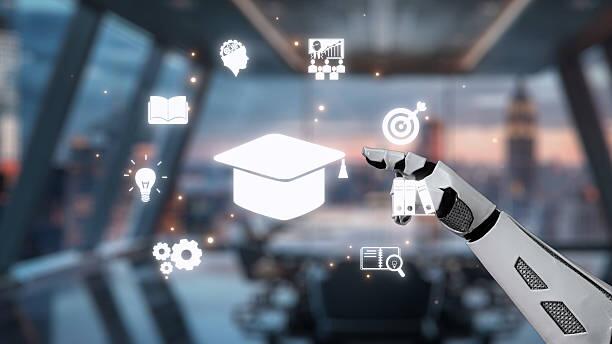
In this article, we’ll explore how AI is revolutionizing classrooms, improving accessibility, empowering educators, and shaping the future of personalized education. We’ll also discuss the ethical and practical challenges that must be addressed to ensure AI benefits everyone.
How AI Is Revolutionizing Education
AI uses data-driven insights and predictive analytics to analyze student performance and adapt in real time. Unlike standardized teaching models, AI customizes content, tracks progress, and refines lessons based on individual needs. This makes education more efficient, inclusive, and engaging for students of all backgrounds.
Key Features of AI in Education
-
Personalized Learning Paths: AI curates custom lessons and exercises based on each student’s strengths, weaknesses, and pace.
-
Instant Feedback: Real-time grading and analysis help both students and teachers identify areas for improvement quickly.
-
24/7 Accessibility: Virtual assistants and chatbots ensure continuous support, breaking the limits of classroom hours.
Benefits of AI in Personalized Learning
1. Adaptive Learning Platforms
AI-powered platforms like DreamBox, Smart Sparrow, and Khan Academy adjust lesson difficulty automatically. A student struggling with algebra might receive simplified examples, while another ready to advance gets more complex challenges. This adaptive feedback loop keeps learners motivated and confident.
2. Enhanced Student Engagement
Gamified environments, AI quizzes, and storytelling modules turn abstract lessons into interactive experiences. Students become active participants rather than passive recipients. Studies show that interactive AI tools improve information retention and make learning genuinely enjoyable.
3. Support for Special Education
AI supports learners with disabilities through assistive technologies. Speech recognition, text-to-speech, and predictive text tools empower students with dyslexia, autism, or visual impairments to communicate and learn more effectively. For instance, Microsoft’s Immersive Reader helps users focus on text and improves reading comprehension.
4. Data-Driven Insights for Educators
AI gives teachers dashboards showing each student’s progress, attention span, and problem areas. By visualizing performance trends, teachers can detect issues early and provide timely interventions. This transforms teaching from guesswork into precision guidance.
5. Global Accessibility
AI-powered translation and cloud-based learning systems make quality education available to remote areas. Language barriers and economic limitations are gradually fading. Students from developing regions can now access world-class courses on affordable devices and learn in their native language.
How AI Will Transform Classrooms by 2025
1. AI-Powered Virtual Tutors
Virtual tutors will offer personalized guidance anytime, anywhere. These tutors can explain difficult topics, assist with homework, and encourage independent problem-solving, extending learning beyond school walls.
2. Smart Classrooms
AI will connect sensors, smartboards, and IoT devices to monitor classroom conditions—light, noise, and air quality—to create an optimal learning atmosphere. Teachers will focus on mentoring, while automation handles repetitive tasks.
3. Customized Assessments
AI will move away from standardized exams toward adaptive testing that evaluates true comprehension. Students will be assessed based on progress, creativity, and problem-solving skills rather than memorization.
4. Language Translation and Collaboration
AI translation tools will make multilingual classrooms more inclusive. Students from different countries can collaborate on shared projects, enhancing global citizenship and cultural awareness.
5. Predictive Analytics for Early Intervention
By analyzing attendance, engagement, and grades, AI can identify students at risk of dropping out and recommend targeted support. Schools will be able to reduce dropout rates and help students reach their full potential.
Challenges of AI in Education
1. Data Privacy and Security
AI relies on vast amounts of personal data, including learning habits and behavioral metrics. Without strict regulations, this information could be misused. Institutions must adopt strong data protection protocols and transparent privacy policies.
2. The Digital Divide
Access to AI tools is not yet universal. Many rural or low-income communities lack stable internet or modern devices. Governments and non-profit organizations must invest in infrastructure and ensure equal access to technology.
3. Teacher Resistance
Some educators fear AI may replace them. In reality, AI is a co-teacher, not a competitor. Proper training programs can show teachers how to integrate AI seamlessly, making their jobs easier and more impactful.
4. Ethical Bias and Fairness
If AI systems are trained on biased data, they can reinforce inequalities. Developers must use diverse datasets, open testing, and ethical frameworks to ensure fairness and inclusivity in AI-driven education.
5. Over-Reliance on Technology
Students may become dependent on AI tools, losing essential problem-solving and creative thinking skills. A balanced model—combining AI with human mentorship—is vital to sustain intellectual curiosity and emotional intelligence.
Leading AI Tools in Education (2025)
-
Duolingo: Customizes language lessons based on user progress and repetition patterns.
-
Coursera & Udemy: Recommend personalized courses aligned with user goals and previous completions.
-
Grammarly: Enhances writing skills by identifying grammar issues and stylistic improvements.
-
ChatGPT: Provides instant explanations, essay guidance, and brainstorming support.
-
Microsoft Immersive Reader: Improves text clarity for readers with dyslexia or vision difficulties.
These tools exemplify how AI already supports diverse learners and democratizes access to high-quality education worldwide.
Preparing for AI Integration in Education
1. Training Educators
Teachers must receive hands-on AI training to design lessons, interpret analytics, and engage students effectively. Well-prepared educators will amplify AI’s benefits rather than feel threatened by it.
2. Strengthening Infrastructure
Reliable Wi-Fi, modern devices, and secure networks are prerequisites for AI adoption. Schools should prioritize infrastructure upgrades to prevent technological inequality.
3. Establishing Ethical Frameworks
Developing clear policies on data privacy, algorithmic transparency, and accountability is essential. Ethics must remain at the heart of every AI initiative in education.
4. Building Partnerships
Collaboration between schools, EdTech startups, and research institutions can accelerate innovation. Joint ventures foster rapid development of adaptive learning tools and ensure their real-world effectiveness.
5. Encouraging Lifelong Learning
AI can support continuous education beyond formal schooling. Adults can upskill using AI-driven platforms, keeping their knowledge relevant in rapidly changing job markets.
The Future of AI in Education: Balancing Innovation and Humanity
AI will never replace teachers—it will empower them. By 2025 and beyond, the most successful educational systems will be those that integrate technology thoughtfully, combining data precision with human empathy. Personalized learning will evolve from a luxury into a global standard.
The key lies in balance: technology should enhance human capabilities, not overshadow them. AI can analyze information, but only humans can inspire curiosity, empathy, and moral growth. The classrooms of tomorrow will blend algorithms with imagination, structure with flexibility, and logic with creativity.
Ultimately, AI in education represents more than efficiency—it represents equity, opportunity, and hope. With mindful implementation, we can build a future where every learner, regardless of background or ability, has the tools to reach their fullest potential.