High-altitude travel has become increasingly popular over the past decade. Whether adventurers are trekking in the Himalayas, exploring the Andes, summiting volcanoes in East Africa, or hiking alpine routes in Europe, the fascination with thin-air environments continues to grow. Yet many travelers underestimate the science of altitude and the impact it has on the human body. While stunning mountain panoramas draw millions each year, altitude sickness remains one of the most common and preventable hazards.
Understanding how altitude affects physiology—and how to choose the correct daily elevation gain—is essential for safe and successful travel in any mountainous region. This article presents a detailed look at the key principles of acclimatization, the optimal ascent strategies, and evidence-backed guidelines used by expedition leaders, mountain guides, and altitude researchers.
Why Altitude Matters More Than Most Travelers Realize
Above 2,500 meters, the air becomes thinner, containing significantly less oxygen. Though the percentage of oxygen remains the same, the atmospheric pressure drops, reducing the amount of oxygen absorbed into the bloodstream.
This reduction affects:
-
Cognitive function
-
Physical endurance
-
Sleep quality
-
Decision-making
-
Heart rate and breathing rhythm
Even travelers in excellent physical condition can experience issues if they ascend too quickly. The body needs time to adjust through a process called acclimatization, which involves increasing red blood cell production, adjusting respiration rate, and improving oxygen delivery to tissues.
Ignoring these natural limitations can result in altitude-related illnesses, such as:
-
AMS (Acute Mountain Sickness)
-
HAPE (High-Altitude Pulmonary Edema)
-
HACE (High-Altitude Cerebral Edema)
These conditions can escalate rapidly if not managed properly. That is why elevation planning is not simply a suggestion—it is a serious safety requirement.
The Golden Ascent Rule: No More Than 300–500 Meters Per Day
Experienced mountain guides rely on one central principle:
Once above 2,500 meters, ascend no more than 300–500 vertical meters per day.
This guideline is often misunderstood. It does not refer to the total amount of walking or climbing in a day—it refers specifically to the net sleeping altitude. A traveler may hike up 1,000 meters during the day, but should descend or adjust the route so that the altitude at which they sleep does not exceed the recommended gain.
This is known as the “climb high, sleep low” strategy, which stimulates acclimatization while minimizing stress on the body.
The Science Behind “Climb High, Sleep Low”
When you climb high, the body is briefly exposed to low oxygen levels, signaling the production of more red blood cells and stimulating deeper, more efficient breathing. But sleeping at high altitude places prolonged stress on the cardiovascular and respiratory systems. The solution is to separate the stressors:
-
Expose the body to higher elevation during the day
-
Recover at a slightly lower elevation during the night
This approach reduces the risk of AMS while allowing the body to adapt steadily.
Understanding the 1,000-Meter Threshold: When Things Get Serious
A critical but less talked-about concept is the 1,000-meter risk threshold. Most altitude-related complications appear when travelers ascend more than 1,000 meters in a single day without proper adjustment. Guides often refer to this as the “danger zone.”
Travelers planning mountain routes should consider:
-
Starting altitude (bodies handle high altitudes better if they begin lower)
-
Total elevation gained throughout the day
-
How far the sleeping altitude shifts relative to the morning
-
Individual sensitivity (varies widely even among fit individuals)
Even young, athletic travelers are not immune to altitude illness if they ascend abruptly.
The Role of Hydration and Nutrition: Small Choices With Big Impact
At high altitudes, dehydration happens faster due to increased respiration and dry air. This can intensify AMS symptoms. The body also requires more carbohydrates because they produce energy more efficiently under low oxygen conditions.
Experts recommend:
-
Increasing water intake by 1–1.5 liters beyond normal daily consumption
-
Prioritizing complex carbohydrates (e.g., grains, fruits, root vegetables)
-
Avoiding heavy, fatty meals late at night
-
Minimizing alcohol and caffeine during the first 48 hours
These small adjustments support respiratory efficiency and oxygen transport.
The 24-Hour Rule: Why Rest Days Are Not Optional
Every 1,000 meters of elevation gained, the body benefits from a full rest day with minimal physical exertion. Many travelers see rest days as unnecessary delays, but they are in fact one of the most effective acclimatization tools.
Rest days allow the body to fully activate:
-
Increased hemoglobin production
-
Improved blood oxygen saturation
-
Lower resting heart rate
-
Stabilized breathing during sleep
Skipping rest days is a common cause of evacuation in many mountain regions.
Recognizing Early Symptoms: Your Body’s Built-In Warning System
Altitude-related conditions often declare themselves early, and recognizing symptoms is key to staying safe.
Early signs of AMS include:
-
Persistent headache
-
Loss of appetite
-
Nausea
-
Dizziness
-
Unusual fatigue
-
Difficulty sleeping
If symptoms appear, the correct action is to stop ascending immediately. If they worsen, the traveler must descend at least 300–500 meters, even if this disrupts the itinerary. Altitude sickness does not resolve by “pushing through.” The body needs oxygen, not determination.
The “Ceiling Altitude”: When Your Body Says No
Every traveler has a maximum altitude their body can handle comfortably on a specific trip. This is known as the ceiling altitude. It may be 4,000 meters for one journey and 5,200 on another, depending on physical condition, fatigue, hydration, recent illnesses, or stress levels.
Respecting this limit is crucial. Going past it increases the risk of severe complications, and the signs often appear suddenly.
Technology in Acclimatization: Helpful, but Not a Substitute for Strategy
Today many travelers use tools such as:
-
Pulse oximeters
-
Altitude-tracking watches
-
Heart-rate monitors
-
Sleep-quality trackers
These devices provide useful feedback, especially when used consistently. However, technology cannot replace the fundamental rules of acclimatization. A high oxygen saturation reading does not grant permission to ascend recklessly.
The most effective approach combines technology with traditional, proven strategies.
Altitude as a Mindset: Choosing Safety Over Speed
High-altitude travel rewards patience. Moving slowly, listening to the body, and adjusting daily plans is not a sign of weakness—it is the key to successful exploration.
The most experienced mountaineers follow strict acclimatization routines not because they are fragile, but because they understand that altitude is an environment governed by biology, not ambition.
For travelers, adopting this mindset leads to:
-
Fewer symptoms
-
Higher energy levels
-
Better sleep
-
A more enjoyable journey
-
Greater safety
Acclimatization is not an obstacle; it is part of the adventure.
Conclusion: Elevation Should Be Earned, Not Rushed
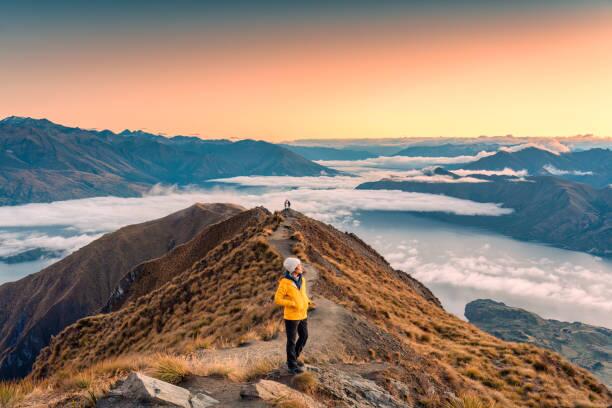
Standing on a high ridge above the clouds or watching sunrise from a mountain camp is one of the most rewarding experiences in travel. But these moments come safely only when travelers respect altitude and understand the science behind adaptation.
By limiting daily sleeping altitude increases, incorporating rest days, managing hydration and nutrition, and recognizing early symptoms, anyone can enjoy the high mountains with confidence and clarity.
Altitude is not the enemy. Poor planning is.